What is supply chain automation and how does it work?
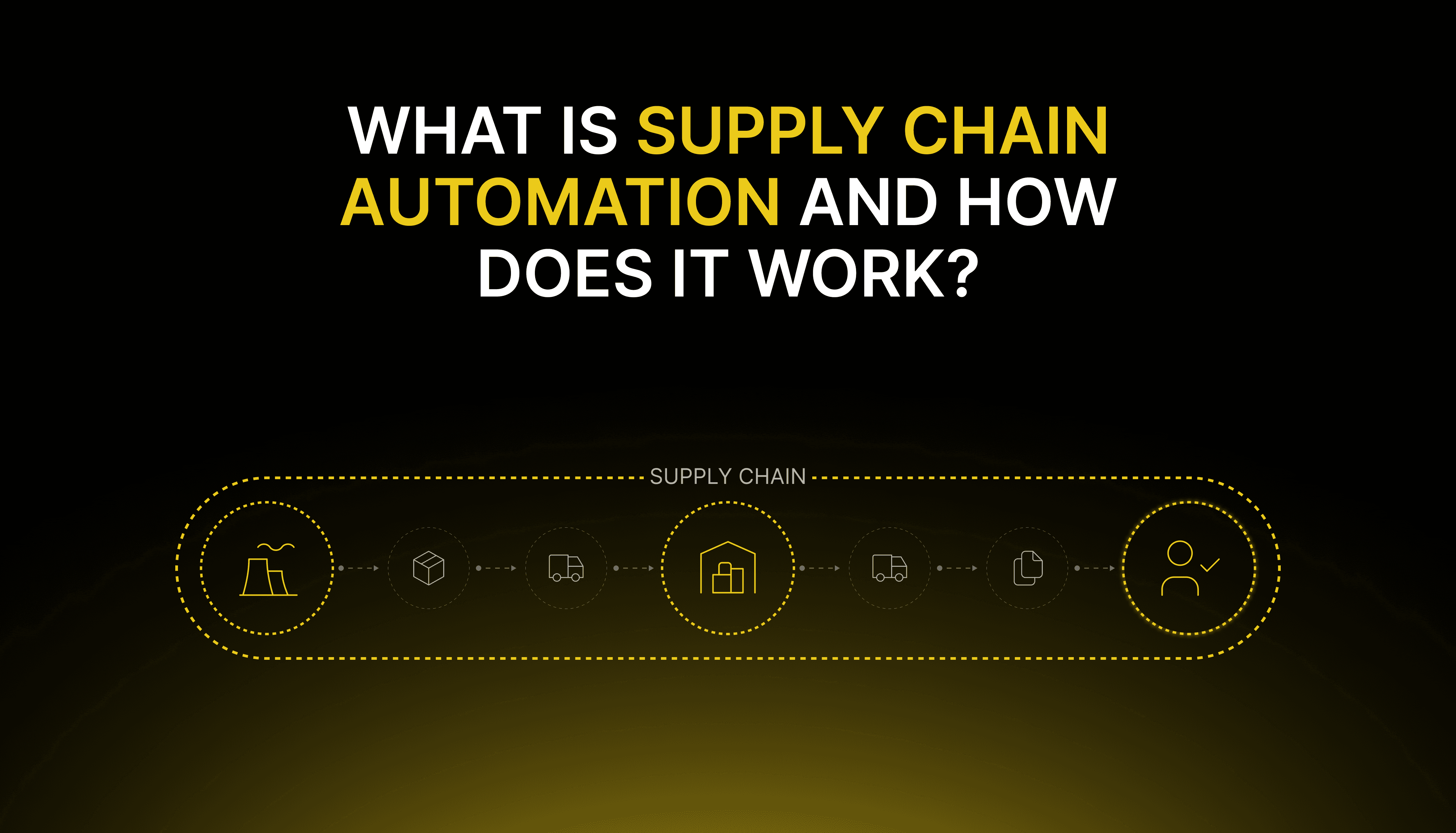
Anyone involved in manufacturing knows that the supply chain is the backbone of any enterprise, essential to its successful operation and growth. However, just a single disruption can have catastrophic consequences. That is why businesses are increasingly turning to supply chain automation. Behind this term lies a practical way to make deliveries faster, more accurate, and more predictable.
What is Supply Chain Automation
Supply chain automation is the use of digital technologies, artificial intelligence, machine learning, and integrated IT systems to manage supply processes with minimal human intervention.
Simply put, it is when most routine actions—from procurement planning to transport monitoring—are performed automatically.
In a traditional supply chain, many stages rely on people: inventory needs to be checked, orders reconciled, and delivery times calculated. Automation does this for you. The system collects data, analyzes risks, forecasts demand, and even suggests solutions before a problem arises.
Why Companies Need Supply Chain Automation
The primary goal is stability and predictability. Modern business constantly faces risks: supply disruptions, rising prices, changes in demand, and logistics delays. Automation helps respond to these challenges instantly.
Artificial intelligence-based platforms, similar to those developed by CONSOLID, are already capable of identifying risks before they affect business and offering solutions: for example, finding an alternative supplier or optimizing a delivery route.
Such tools reduce the human factor, lower costs, and help make decisions based on accurate data rather than assumptions.
How Supply Chain Automation Works
Automation is not limited to a single tool—it is an ecosystem of technologies that interact with each other.
Most often, companies use:
AI and machine learning—to forecast demand, determine optimal inventory levels, and plan production.
IoT (Internet of Things)—to track shipments in real time and monitor temperature, humidity, or geolocation.
Cloud platforms—to consolidate all data into a single system where the entire chain is visible: from procurement to delivery to the end customer.
For example, an automated system can spot a shipment delay, immediately notify the customer, and suggest an alternative route. Or it can forecast that a certain product will run out soon and automatically generate an order to the supplier.
What Advantages Supply Chain Automation Offers
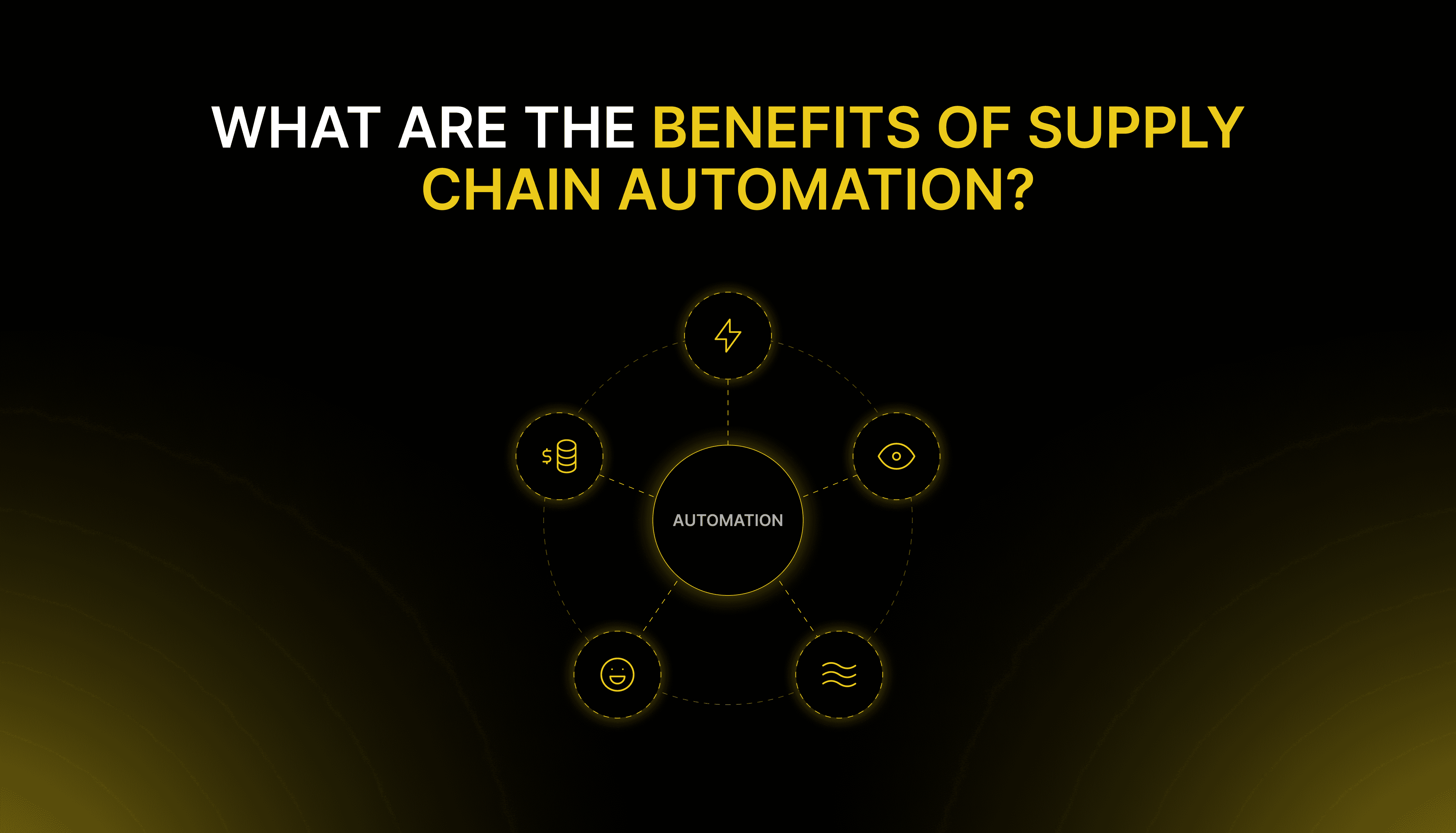
Speed and accuracy. Thanks to automation, decisions are made instantly, and human errors virtually disappear.
Transparency. Every stage—from supplier to warehouse—is visible in real time. This simplifies control and reduces surprises.
Flexibility. The system quickly adapts to changes in demand or the market—there is no need to manually recalculate inventory or delivery plans.
Customer satisfaction. Fewer delays, more accurate timeframes, and predictable results—all of this builds trust and loyalty.
Resource savings. Less manual work means fewer expenses in time, staff, and money.
What is Needed for Implementation
Supply chain automation is not a "single button" that can simply be pressed. It is a gradual process that begins with data analysis and the company's readiness for change. To achieve a real effect, you need to:
have a single source of truth—without it, no analytics will be accurate;
integrate logistics, procurement, warehouse, and finance into one system;
identify key points for automation—where losses of time or resources are greatest;
train the team to work with new tools.
When all these elements are combined, the business gets not just "digital logistics," but an intelligent ecosystem that forecasts, prevents, and optimizes processes on its own.
Conclusion
Supply chain automation is about the future that has already arrived. Companies that use comprehensive IT solutions and artificial intelligence-based tools transform logistics into an accurate, flexible, and transparent system that works smoothly even in crisis conditions.
In a world where instability has become the norm, automation is what gives business confidence in tomorrow—and the opportunity to grow, even when everything around is changing.
What is supply chain automation and how does it work?
Anyone involved in manufacturing knows that the supply chain is the backbone of any enterprise, essential to its successful operation and growth. However, just a single disruption can have catastrophic consequences. That is why businesses are increasingly turning to supply chain automation. Behind this term lies a practical way to make deliveries faster, more accurate, and more predictable.
What is Supply Chain Automation
Supply chain automation is the use of digital technologies, artificial intelligence, machine learning, and integrated IT systems to manage supply processes with minimal human intervention.
Simply put, it is when most routine actions—from procurement planning to transport monitoring—are performed automatically.
In a traditional supply chain, many stages rely on people: inventory needs to be checked, orders reconciled, and delivery times calculated. Automation does this for you. The system collects data, analyzes risks, forecasts demand, and even suggests solutions before a problem arises.
Why Companies Need Supply Chain Automation
The primary goal is stability and predictability. Modern business constantly faces risks: supply disruptions, rising prices, changes in demand, and logistics delays. Automation helps respond to these challenges instantly.
Artificial intelligence-based platforms, similar to those developed by CONSOLID, are already capable of identifying risks before they affect business and offering solutions: for example, finding an alternative supplier or optimizing a delivery route.
Such tools reduce the human factor, lower costs, and help make decisions based on accurate data rather than assumptions.
How Supply Chain Automation Works
Automation is not limited to a single tool—it is an ecosystem of technologies that interact with each other.
Most often, companies use:
AI and machine learning—to forecast demand, determine optimal inventory levels, and plan production.
IoT (Internet of Things)—to track shipments in real time and monitor temperature, humidity, or geolocation.
Cloud platforms—to consolidate all data into a single system where the entire chain is visible: from procurement to delivery to the end customer.
For example, an automated system can spot a shipment delay, immediately notify the customer, and suggest an alternative route. Or it can forecast that a certain product will run out soon and automatically generate an order to the supplier.
What Advantages Supply Chain Automation Offers
Speed and accuracy. Thanks to automation, decisions are made instantly, and human errors virtually disappear.
Transparency. Every stage—from supplier to warehouse—is visible in real time. This simplifies control and reduces surprises.
Flexibility. The system quickly adapts to changes in demand or the market—there is no need to manually recalculate inventory or delivery plans.
Customer satisfaction. Fewer delays, more accurate timeframes, and predictable results—all of this builds trust and loyalty.
Resource savings. Less manual work means fewer expenses in time, staff, and money.
What is Needed for Implementation
Supply chain automation is not a "single button" that can simply be pressed. It is a gradual process that begins with data analysis and the company's readiness for change. To achieve a real effect, you need to:
have a single source of truth—without it, no analytics will be accurate;
integrate logistics, procurement, warehouse, and finance into one system;
identify key points for automation—where losses of time or resources are greatest;
train the team to work with new tools.
When all these elements are combined, the business gets not just "digital logistics," but an intelligent ecosystem that forecasts, prevents, and optimizes processes on its own.
Conclusion
Supply chain automation is about the future that has already arrived. Companies that use comprehensive IT solutions and artificial intelligence-based tools transform logistics into an accurate, flexible, and transparent system that works smoothly even in crisis conditions.
In a world where instability has become the norm, automation is what gives business confidence in tomorrow—and the opportunity to grow, even when everything around is changing.
Solutions
Learn more
Terms of cooperation
Contacts
CONSOLID.AI
© 2026 CONSOLID. All rights reserved.
Solutions
Learn more
Terms of cooperation
Contacts
CONSOLID.AI
© 2026 CONSOLID. All rights reserved.
Solutions
Learn more
Terms of cooperation
Contacts
CONSOLID.AI
© 2026 CONSOLID. All rights reserved.
Solutions
Learn more
Terms of cooperation
Contacts
CONSOLID.AI
© 2026 CONSOLID. All rights reserved.